The Future of Business: Trends with Pegotec

Technology moves fast. The difference between companies that benefit from new technology and those that fall behind is not awareness — it is knowing when and how to act. At Pegotec, we track the trends that matter for business software and help our clients adopt them at the right time. Below are the eight trends shaping business software in 2026, with links to the deeper guidance we have published on each.

AI is no longer experimental. In 2026, 72% of enterprises run at least one AI workload in production. We integrate AI into business software every day — from chatbots and document processing to autonomous agents and workflow automation. Our team works with Claude, OpenAI, and open-source models, always with built-in cost controls and guardrails.

Single-prompt AI is giving way to multi-step agents that plan, call tools, and coordinate with other agents to complete real work. Agent-to-agent protocols are turning what used to be brittle automation into systems that handle exceptions, ask clarifying questions, and report back. We build agentic systems for support triage, document workflows, and operational decisions — with observability and guardrails so they stay reliable in production.
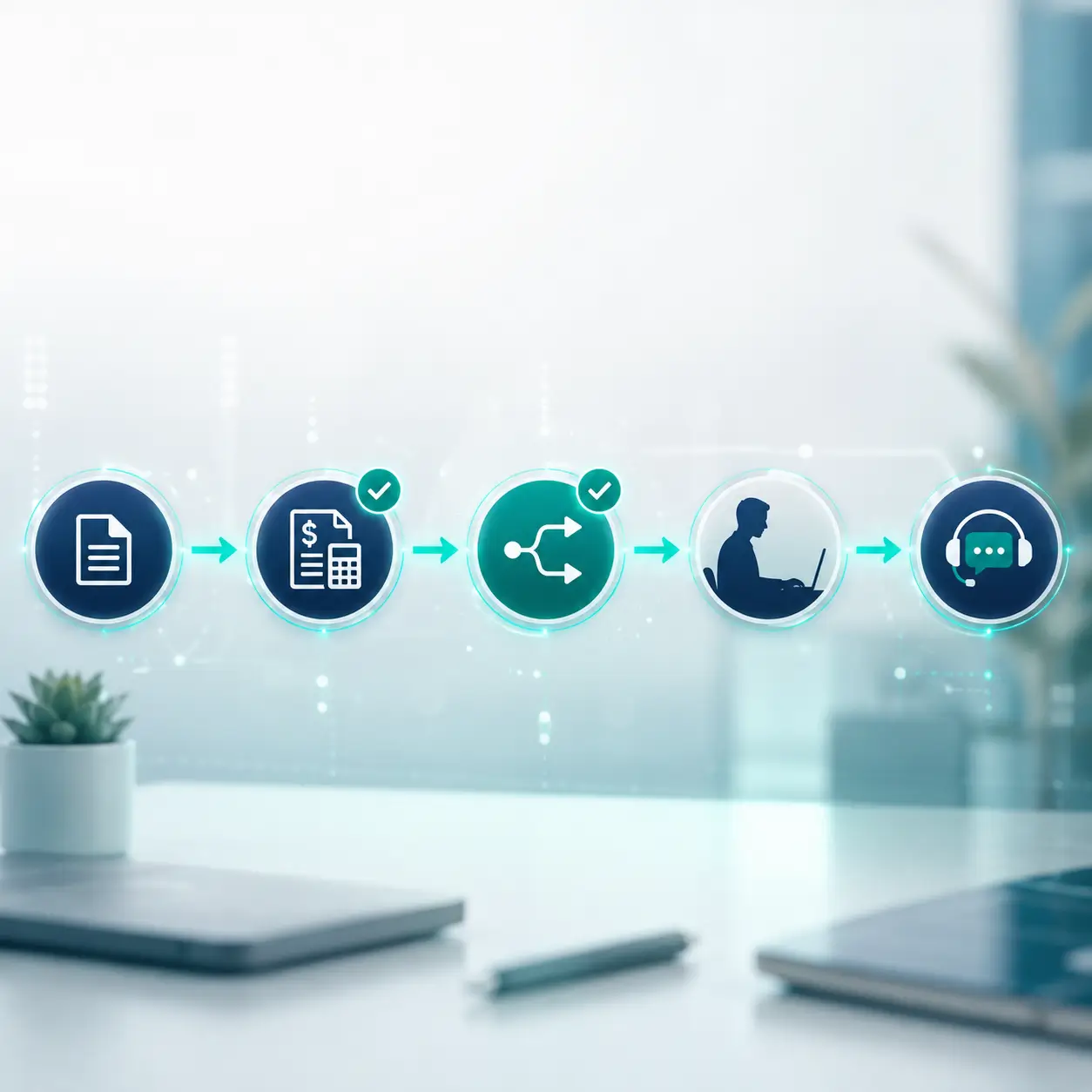
Most operational savings from AI come from automating the boring middle of business processes — invoice routing, document classification, customer triage, report generation, and approval workflows. Modern automation platforms like n8n combine deterministic logic with AI calls, so the parts that need judgment use a model and the rest stays predictable and cheap. We design these workflows with cost controls and clear hand-offs to humans.

Every business generates data. The challenge is turning it into decisions. We build dashboards, reporting tools, and data pipelines that give teams real-time visibility into what matters — sales performance, user behavior, operational efficiency, or compliance metrics. Combined with AI, raw data becomes actionable insight without manual analysis. The first architectural decision usually comes down to data lake versus data warehouse — different problems, different answers.

IoT connects physical devices to software systems — enabling real-time monitoring, remote control, and automated responses. We have built IoT-integrated platforms that process sensor data, trigger alerts, and feed dashboards with live information. For logistics, manufacturing, and facility management, IoT turns physical operations into data you can act on.

AR and VR are moving from entertainment into business applications — product visualization, remote training, virtual showrooms, and interactive onboarding. As hardware costs drop and browser-based AR improves, these technologies become practical for companies that want to differentiate their customer or employee experience.
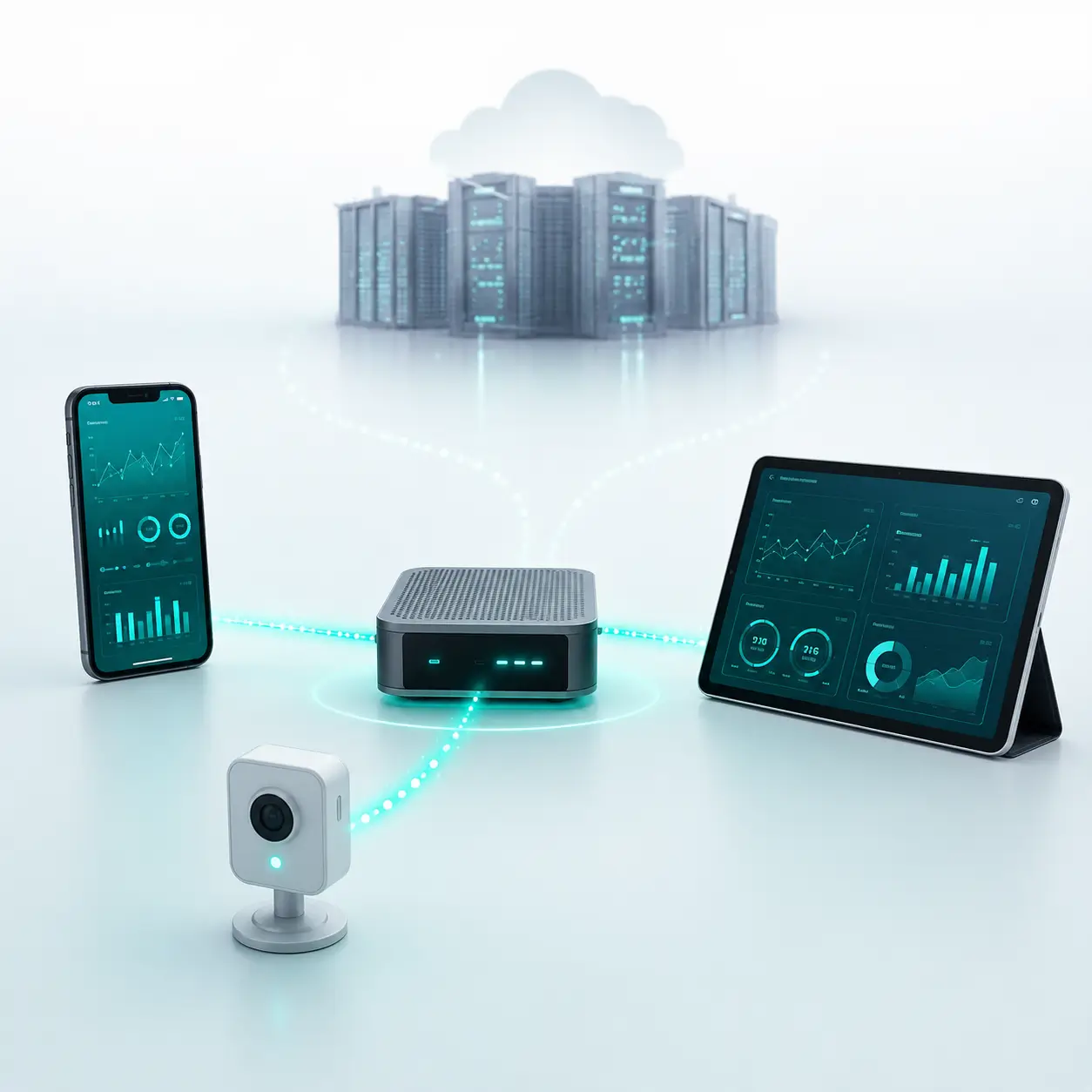
5G is now deployed and table stakes — the more interesting story for business software is edge computing. Moving processing closer to the user reduces latency, lowers bandwidth costs, and makes applications work in places where round-trips to a central cloud are too slow or unreliable. For mobile-first products, real-time IoT, and on-device AI inference, edge architectures are becoming the default rather than the exception.
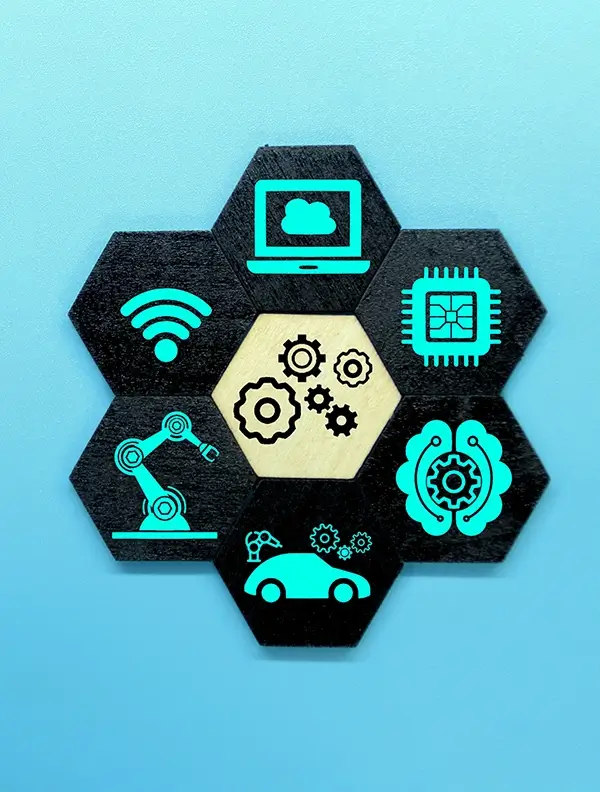
Blockchain solves a narrow set of problems well — supply-chain provenance, tamper-proof audit trails, digital identity, and cross-organization record sharing where no single party should own the database. It is not the right tool for most business applications, and we will tell you so. When the problem genuinely calls for decentralized trust, we evaluate the trade-offs honestly and design accordingly.
Trends only matter if they solve a real problem. We help businesses evaluate which technologies fit their goals, plan implementation, and build software that leverages what is available today — not what might exist in five years. Most engagements in 2026 start with AI or workflow automation, but the right answer depends on your data, your operations, and your customers. If you are considering any of these technologies for your next project, talk to our team or read our AI Consulting and Strategy page.