
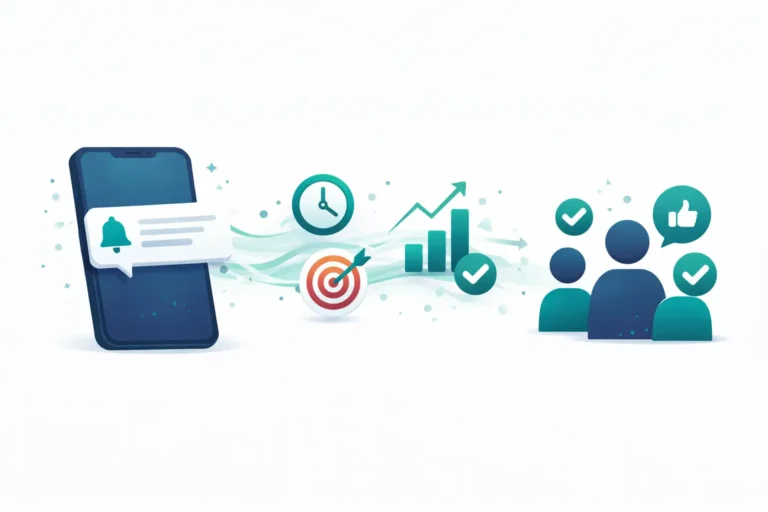
Users enable push notifications, hoping for valuable updates. Then most apps disappoint them with poorly timed, irrelevant messages. Those users turn off notifications and never look back. A thoughtful push notification strategy transforms this pattern into genuine engagement that benefits both users and your business.
Pegotec has built notification systems for apps serving hundreds of thousands of users. We have seen what works and what drives users away. The difference rarely involves technology. It almost always requires a strategy. Here is what we learned about creating push notifications that users actually appreciate.
Why Most Push Notification Strategies Fail
Many apps treat push notifications as a marketing channel. They blast promotional messages to all users simultaneously. Open rates decline. Unsubscribe rates climb. Eventually, notifications become worthless because nobody receives them anymore.
This approach misunderstands what notifications are for. Users grant notification permission in expectation of timely, relevant information. They want to know when something important happens. They do not wish to be interrupted by advertising during their day. Respecting this expectation forms the foundation of any successful push notification strategy.
Moreover, poor timing destroys even valuable messages. A 3 AM notification annoys users regardless of its content. A reminder about an expired sale frustrates rather than helps. Thoughtful timing demonstrates that you value the user’s attention and time.
Timing Your Notifications for Maximum Impact
The best notification arrives when users can act on it. Requires careful consideration of user context and behavior patterns.
Analyze your user data to identify optimal sending windows. Most apps see higher engagement during morning commutes, lunch breaks, and evening relaxation periods. However, your specific user base may differ. B2B applications often perform better during business hours. Entertainment apps may see peak engagement on weekends. Let data guide your timing decisions.
Additionally, consider time zones seriously. A single send time doesn’t work well for global audiences—segment users by location and schedule notifications for appropriate local times. Modern notification services make this straightforward to implement.
Furthermore, respect user preferences when offered. Some users prefer morning updates while others want evening summaries. Allowing for timing preferences simultaneously builds trust and improves engagement.
Personalization Beyond Using First Names
Adding a user’s name to notifications represents the minimum personalization effort. Effective personalization runs much deeper into user behavior and preferences.
Behavioral triggers create highly relevant notifications. Someone who browsed products yesterday might appreciate a notification about a price drop. A user who completed a workout streak deserves recognition. These contextual messages feel helpful rather than intrusive because they respond to actual user actions.
Consequently, segment your audience based on behavior patterns. New users need different messages than power users. Inactive users require re-engagement approaches distinct from those of daily active users. One-size-fits-all messaging wastes the opportunity that segmentation provides.
Preference learning improves personalization over time. Track which notification types generate engagement from specific users. Reduce categories that users ignore. Increase categories that drive action. This continuous optimization ensures notifications remain valuable as user interests evolve.
Finding the Right Notification Frequency
How often should you send notifications? The honest answer depends entirely on your app and user expectations. News apps might send multiple daily notifications appropriately. Utility apps might notify weekly or less.
Start conservatively and measure response. High unsubscribe rates indicate you are sending too frequently. Declining open rates suggest notification fatigue is setting in. These metrics should drive frequency decisions more than arbitrary rules or competitor benchmarks.
Moreover, implement frequency caps that prevent overwhelming individual users. Even during high-activity periods, limit how many notifications any single user receives daily. Users who feel bombarded will disable notifications entirely, losing all future communication opportunities.
Quality consistently beats quantity for notifications. One highly relevant message creates more value than ten generic ones. Focus on making each notification genuinely useful before worrying about volume.
Crafting Messages That Drive Action
Notification copy matters enormously within severe character limits. Most platforms display only 40-50 characters before truncating. Every word must earn its place.
Lead with value, not your brand. Users see dozens of notifications daily. They scan and decide instantly. Tell them what they gain by opening your app. Skip the marketing language that wastes precious characters.
Additionally, create urgency appropriately. Time-sensitive notifications like “Your order arrives in 10 minutes” work well. Fake urgency like “Act now!” damages trust. Users recognize manipulation and turn off notifications in response.
Use action-oriented language that clarifies the next step. “Your report is ready to download” tells users exactly what to do. Vague messages like “Something new awaits” create confusion rather than engagement.
Measuring Push Notification Strategy Success
Effective measurement goes beyond open rates. While opens indicate initial engagement, they reveal little about actual value creation.
Track conversion rates from notification to desired action. Did users who opened the notification complete a purchase, read the article, or finish the task? This deeper measurement reveals which notifications drive business outcomes rather than merely generate opens.
Furthermore, monitor opt-out rates by notification type. High unsubscribe rates after specific message categories indicate those messages frustrate users. Either improve those notifications or eliminate them.
Long-term retention correlates with the quality of the notification strategy. Users who receive valuable notifications stay engaged with your app longer. Compare retention rates between users who engage with notifications versus those who ignore them.
How Pegotec Approaches Push Notification Strategy
Our mobile app development process includes a notification strategy from the design phase. We identify moments where notifications genuinely help users rather than drive metrics. This user-first approach creates sustainable engagement.
Pegotec builds a notification infrastructure that supports sophisticated targeting and personalization. We implement proper analytics to measure what actually works. Our clients can iterate on their push notification strategy based on real user behavior data.
Nine years of mobile development taught us that notifications represent a privilege users grant. Apps that respect this privilege build lasting relationships. Apps that abuse it lose access permanently. We help clients earn and maintain user trust through thoughtful notification practices.
Conclusion
A successful push notification strategy prioritizes user value over marketing goals. Time messages appropriately for your audience. Personalize based on actual behavior. Control frequency to prevent fatigue. Craft messages that clearly communicate value within character limits.
Building a mobile app that needs smart notifications? Contact Pegotec to discuss how our notification expertise can help you engage users effectively without driving them away.
FAQ Section About Push Notification Strategy
The optimal frequency depends on your app type and user expectations. News apps may send several daily notifications while utility apps might notify weekly. Start conservatively, measure unsubscribe rates, and adjust based on data rather than arbitrary rules.
Optimal timing varies by audience and app category. Generally, morning commutes, lunch breaks, and evening hours see higher engagement. Analyze your specific user data to identify when your audience responds best. Always respect time zones for global audiences.
Focus on relevance and timing rather than volume—Personalize messages based on user behavior. Lead with clear value propositions. Avoid generic promotional content. Users open notifications they expect to find valuable.
Emojis can increase engagement when used appropriately for your brand and audience. They work well for casual consumer apps but may feel unprofessional for B2B applications. Test with your specific audience to determine effectiveness.
Demonstrate notification value within your app before requesting permission again. Show what they missed while notifications were disabled. When asking to re-enable, explain clearly what types of messages they will receive and how frequently.
Let's Talk About Your Project
Enjoyed reading about Push Notification Strategies That Actually Work? Book a free 30-minute call with our consultants to discuss your project. No obligation.