Transforming Social Service Delivery Through Digital Innovation
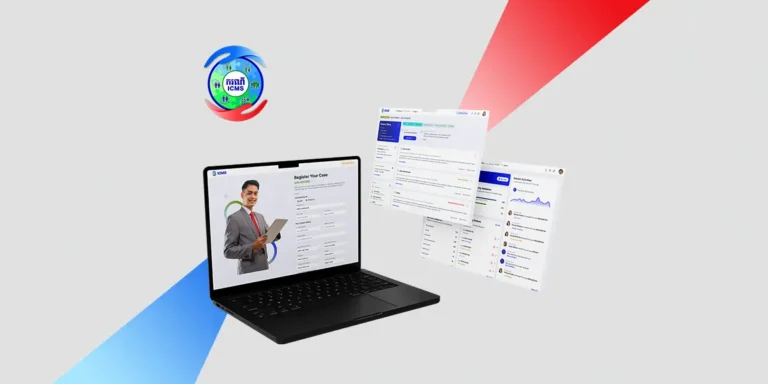
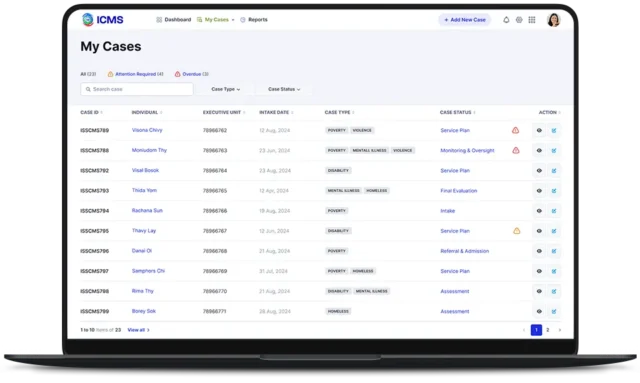
Digital transformation has become essential for governments worldwide to deliver better social services to their citizens. In Cambodia, the Ministry of Social Affairs, Veterans, and Youth Rehabilitation partnered with UNDP and Pegotec to revolutionize how they serve vulnerable populations through a new Social Service Case Management System. This ambitious project aimed to replace fragmented systems with a unified Case Management System that would transform lives nationwide.
Understanding the Challenge
Cambodia’s social service landscape faced significant obstacles that prevented adequate support for vulnerable populations. The Ministry managed eight separate databases, each serving different groups such as people with disabilities, orphans, veterans, and families with young children. However, these systems could not communicate with one another, creating serious problems with service delivery.
Moreover, the lack of standardization meant that different departments used varying protocols and entry criteria. This inconsistency led to incomplete data on vulnerable populations nationwide. Additionally, many offices still relied on paper-based systems and Excel spreadsheets, which increased the risk of data loss and recording errors.
Manual transfers of information between systems created significant backlogs, reducing the ability to provide timely services. Furthermore, the absence of a unified platform prevented effective case monitoring, leading to unidentified recurring problems and delays in delivering critical support to those who needed it most.
Pegotec’s Comprehensive Solution
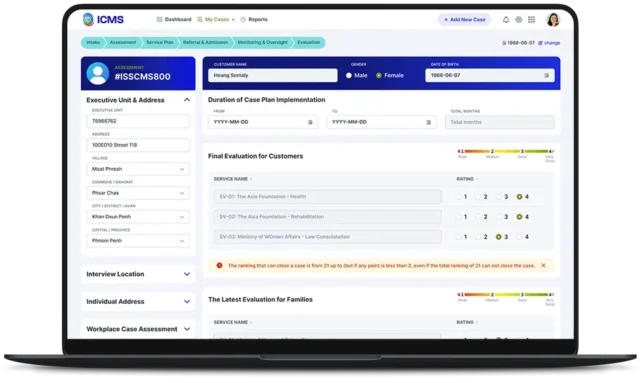
Pegotec designed and developed an integrated Social Service Case Management System that addressed these challenges head-on. Our approach focused on creating a person-centered platform that would streamline operations while improving outcomes for vulnerable individuals.
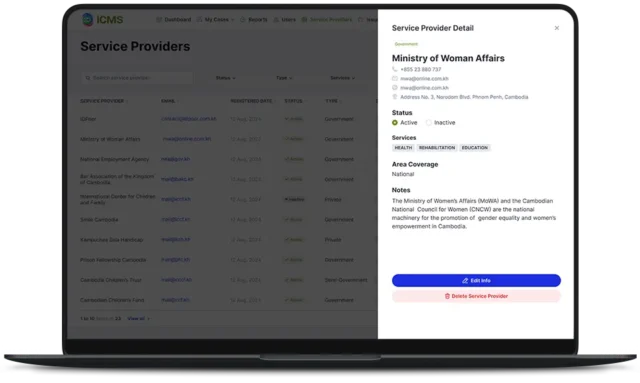
The solution began with extensive research and planning. Our team conducted service mapping studies to understand the full scope of available services across municipalities, districts, and local administrative units. This mapping helped identify both formal and informal services that could support vulnerable populations throughout their journey.
Subsequently, we performed a thorough legal analysis of data exchange requirements. This analysis ensured that the system would comply with privacy regulations while enabling authorized institutions to share information securely. The legal framework established clear boundaries for data collection, treatment, and exchange between state agencies.
Building a System That Works
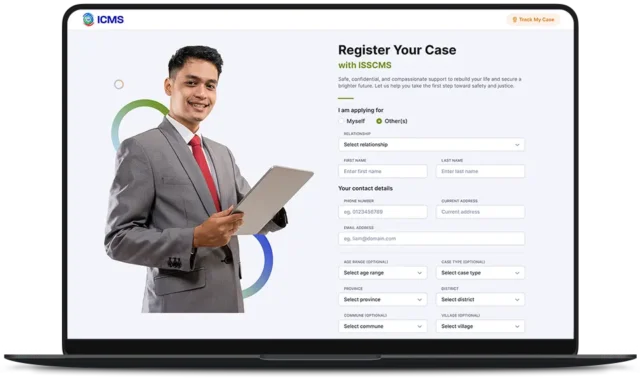
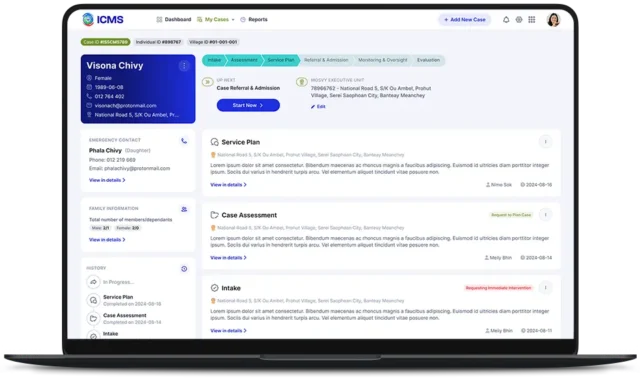
The development process followed international best practices for social protection delivery systems. Pegotec created detailed Software Requirements Specifications that outlined every aspect of the platform, from user interfaces to hardware requirements. These specifications covered essential functionalities, including registration, assessment, case planning, implementation, follow-up, review, and case closure.
Our team then moved into the software design phase, which involved both logical and physical design components. The rational design defined how the system would operate, including data flows, inputs, and outputs. Meanwhile, the physical design specified the software architecture, necessary hardware, and interoperability requirements with existing government platforms.
Throughout the development process, we worked closely with MoSVY staff from different departments. This collaboration ensured that the system would meet real-world needs rather than just technical specifications. After all, the people who use the system daily understand the challenges better than anyone else.
Empowering Teams Through Training
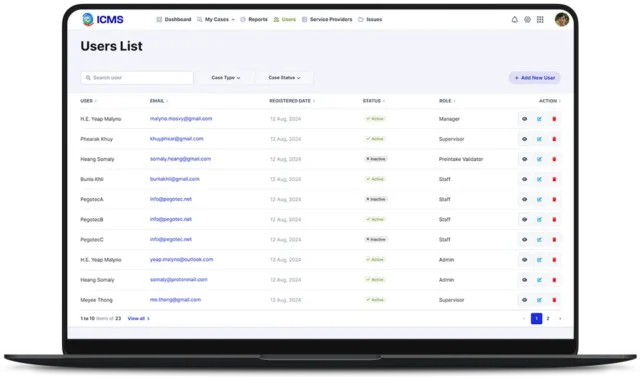
Technology alone cannot solve complex social challenges. Therefore, Pegotec developed comprehensive capacity-building programs for MoSVY staff at all levels. We created user toolkits, operator manuals, and support documentation that enabled staff to work ethically and effectively with clients.
Our training materials used a blended approach that combined online and face-to-face learning. This methodology accommodated different learning styles while respecting local capacity requirements. Furthermore, we developed training-of-trainers courses to ensure sustainable knowledge transfer within the organization.
The capacity-building initiative recognized that implementing a Case Management System fundamentally changes how social service delivery operates. Nearly every task related to case processing transforms in some way. Thus, preparing staff for these changes became just as important as building the technology itself.
Ensuring Quality Through Testing
Before launching the system nationwide, Pegotec implemented rigorous testing protocols. Our quality assurance process included unit testing, module testing, integration testing, and acceptance testing. Each phase identified potential issues and ensured that the software met the highest quality standards.
Additionally, we developed an implementation strategy to address real-world challenges, including system downtime, power outages, and other operational disruptions. This planning minimized the impact of inevitable technical issues and ensured continuity of service for vulnerable populations who depend on timely support.
Creating Lasting Impact
The integrated Case Management System delivers significant benefits across multiple dimensions. First, it improves operational efficiency by eliminating duplicate data entry and reducing administrative overhead. Caseworkers can now support clients more effectively along the entire delivery chain, from initial assessment through case closure.
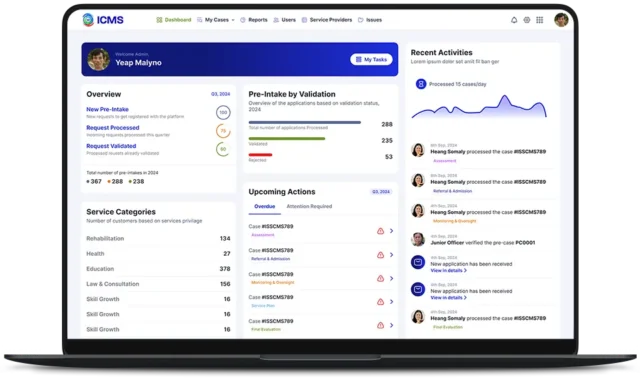
Second, the system enhances transparency and accountability in social service delivery. Policymakers can access real-time dashboards with disaggregated analytical data to support better decision-making. This visibility enables more accurate budget planning and helps prevent fraud and errors.
Most importantly, the system improves outcomes for vulnerable populations. Individuals can now access multiple coordinated services that holistically address their complex needs. The platform tracks referrals, monitors service delivery, and assesses outcomes, ensuring that people receive comprehensive support rather than fragmented assistance.
How Pegotec Can Help Your Organization
Organizations worldwide face similar challenges in modernizing their social service delivery systems. Pegotec brings deep expertise in developing integrated platforms that transform how governments and institutions serve their communities.
Our approach starts with understanding your unique context and challenges. We conduct thorough assessments that map existing services, identify gaps, and reveal opportunities for improvement. Subsequently, we design solutions that meet your operational requirements while complying with international data protection and interoperability standards.
Throughout the implementation process, we work collaboratively with your teams. Technology projects succeed when end users participate actively in design and testing. Therefore, we ensure that policy leaders, operational experts, and technologists work together seamlessly from conception through deployment.
Pegotec also recognizes that sustainable digital transformation requires robust capacity-building. We develop comprehensive training programs tailored to your organizational culture and capacity requirements. These programs ensure that your staff can leverage the new systems effectively long after our engagement concludes.
Partner With Pegotec for Digital Transformation
Social service delivery demands systems that put people first while maintaining operational excellence. Pegotec’s integrated Case Management System demonstrates how thoughtful technology design can revolutionize service delivery for vulnerable populations.
Whether your organization manages disability services, child protection, veteran support, or comprehensive social welfare programs, Pegotec can help you achieve your digital transformation goals. Our proven methodology combines technical expertise with a deep understanding of social service delivery challenges.
Contact Pegotec today to discover how we can help your organization build integrated systems that improve lives. Together, we can create digital solutions that make social services more accessible, efficient, and effective for the communities you serve.
Project Information
Project Start 2024 - 2025
Technologies
- Apache
- Apache Superset
- Bootstrap
- CI/CD
- Elasticsearch
- ELK Stack
- Flutter
- Jenkins
- JavaScript
- jQuery
- Keycloak
- Kibana
- Logstash
- Microservices Architecture
- OpenFN
- OSCar
- Primero
- REST API
- Selenium
- SonarQube
- Tyk
- API Gateway